
Earth Day — a day dedicated to my favorite planet (Guest post)
.png)
Molly MacEachen is founder & principal of Mac's Impact Consulting, where she helps organizations understand, measure, and maximize their impact on the world. Outside of client engagements, Molly leads research defining norms of behavior for how space actors can be responsible and sustainable.
What's your favorite planet?
I'm sure you've been asked this before. Maybe at school, or maybe at a party. Is there one that quickly comes to mind?
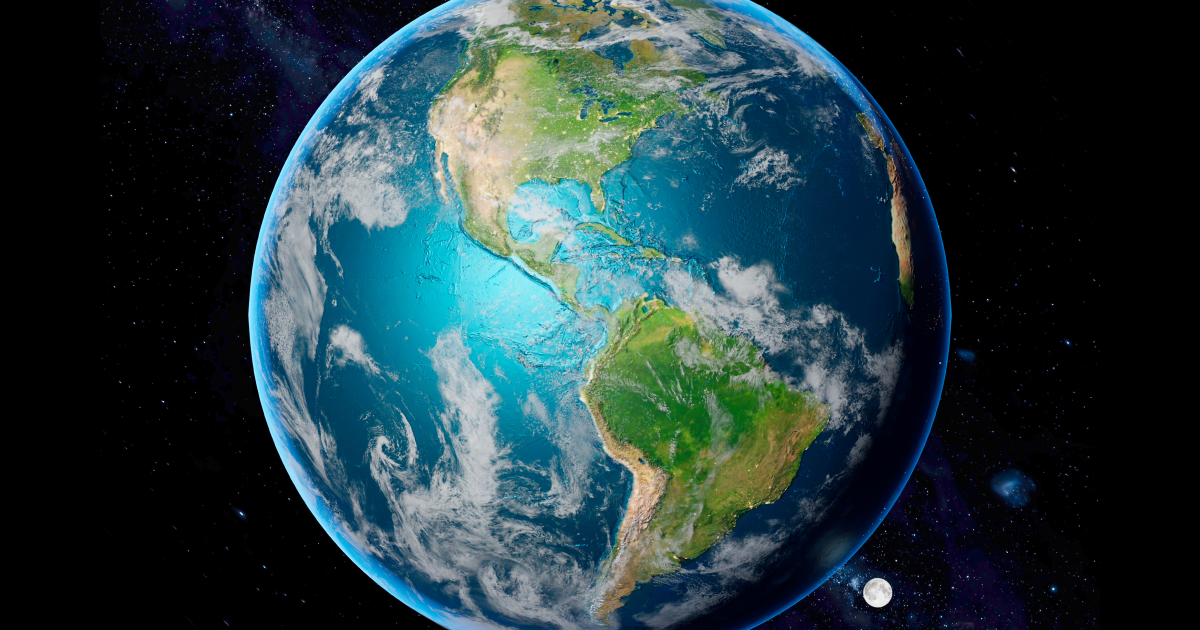
Mine is Earth. Mostly because it's the only one I've been to, but also because of everything on it — flowers, cats, and people. Three of my favorite things.
I've always identified as an earthling. Not necessarily in those exact words, but I've always felt deeply connected to this planet. I've always thought the stars at night were gorgeous, especially up in the mountains where there's less light pollution. But I never identified with space itself — it felt totally inaccessible. Something that smart people who knew physics and engineering could engage with. Not me.
It turns out space is closer than I thought. Everything I use my phone for — directions, the internet, whatever — runs on space technology. And beyond that, I learned that most space efforts are undertaken, in some capacity, for the good of all humanity.
That's me. And you. And our children and grandchildren, and their children and grandchildren.
So when Artemis slingshots around the moon, it's doing that for humanity. For people like you and me.
That makes me realize I have more stake in this than I thought. It's part of why I now spend my time researching exactly this — how space actors can operate with accountability and long-term thinking.
With more satellites and space debris in Earth's orbit than ever before, there's a growing risk of damage to the technology that powers our entire lives. There must be some protections or regulations in place to ensure this space is being used responsibly and sustainably, right?
Not exactly. There are some guidelines and principles out there, but the situation resembles the problem of international waters — regulation and enforcement are lacking, and it's hard to say who even has the authority to set laws or enforce them.
For this reason, and so many more, people who work in the space industry have a very big job. They're responsible for utilizing space in a way that doesn't compromise future generations' ability to do the same.
But it's also on the rest of us — people who aren't engineers or physicists — to stay engaged with space activity and show interest in how space is used for the public good.
The more everyday people pay attention, the more pressure there is on industry and governments to get this right.
How? For now, remind your friends that space is for everyone. I've created a zine (short for magazine) that you can print and share with the people in your life.