
2025: A Year of Discovery Through Your Eyes
.png)
Moments captured by our global community of explorers
Every orbit around the Sun brings new wonders to witness, and 2025 was no exception. Through Slooh's network of robotic telescopes spanning Chile, the Canary Islands, and Australia, our community captured breathtaking views of the cosmos as it unfolded in real time—from comets blazing across the night sky to the dance of Jupiter's storms, from solar phenomena to deep-space nebulae revealing their secrets.
This collection showcases the year's most stunning images captured by Slooh members alongside the incredible discoveries made by space missions worldwide. These aren't just pictures—they're moments when our global community came together to witness the universe as it happened, proving once again that the universe belongs to everyone.
Whether you were tracking a newly discovered moon around Uranus, following the journey of spacecraft across our solar system, or capturing your own astrophotography masterpiece, you were part of humanity's ongoing exploration of the cosmos.
As we look back on this remarkable year, we're reminded that every image tells a story—of scientific discovery, human curiosity, and the profound connection we all share with the night sky above us.
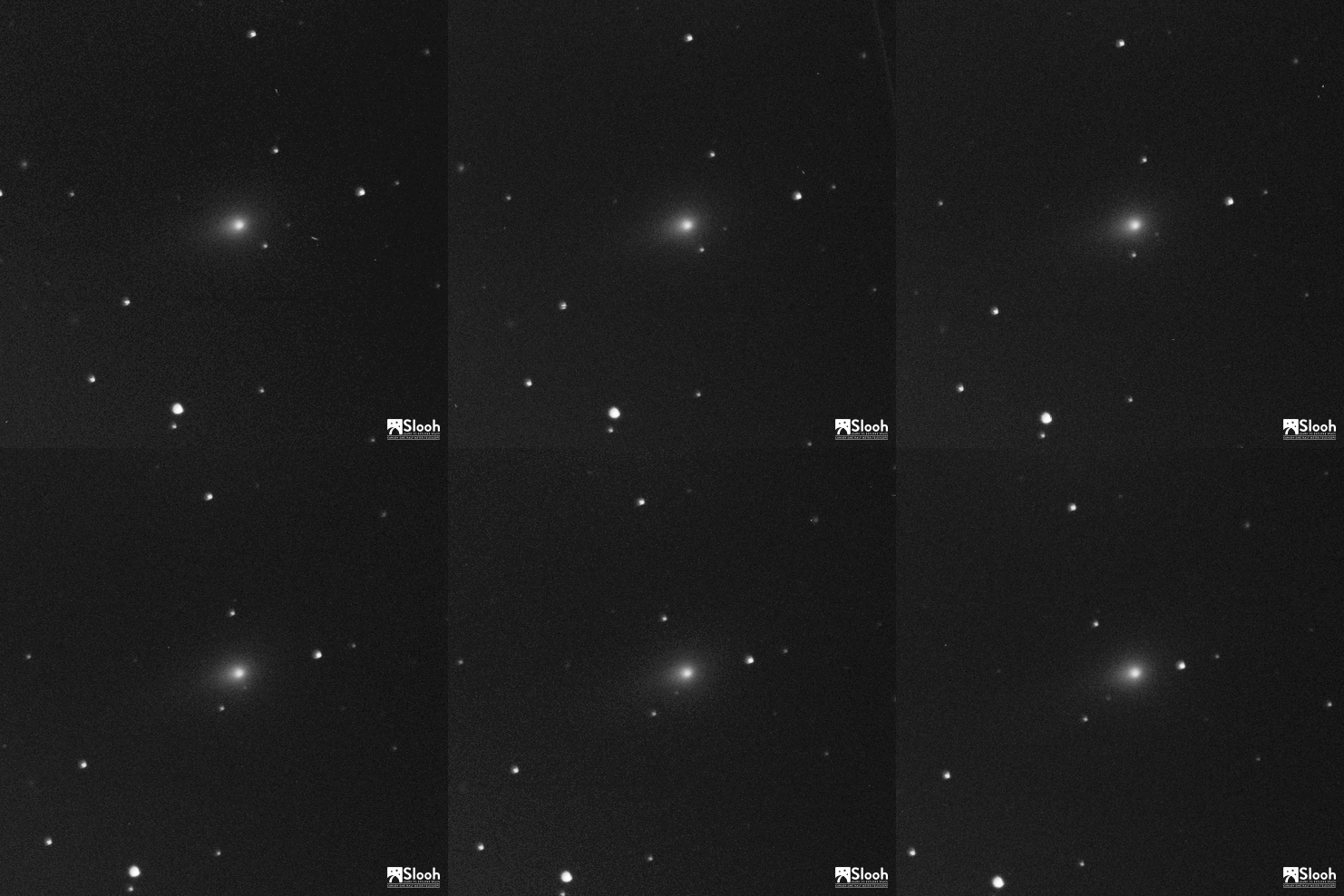
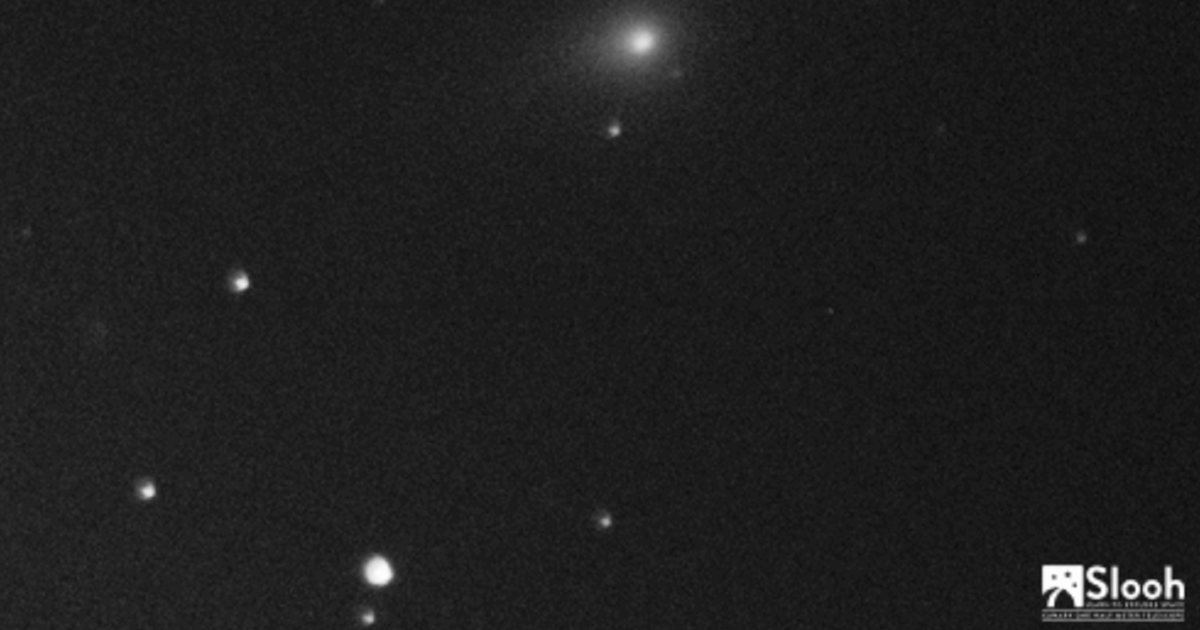
"The comet cruising through the night of December 8, 2025. The animation was created from 30 images taken during five consecutive missions of the Canary One telescope.
It passed the perihelion on Oct. 29 and will come nearest to earth on Dec. 19. at a distance of 1.8 AU.
The way out of the solar system is long, according to Wikipedia it will take 8000 years at a speed of 58 km/s until the comet has passed the Oort Cloud."
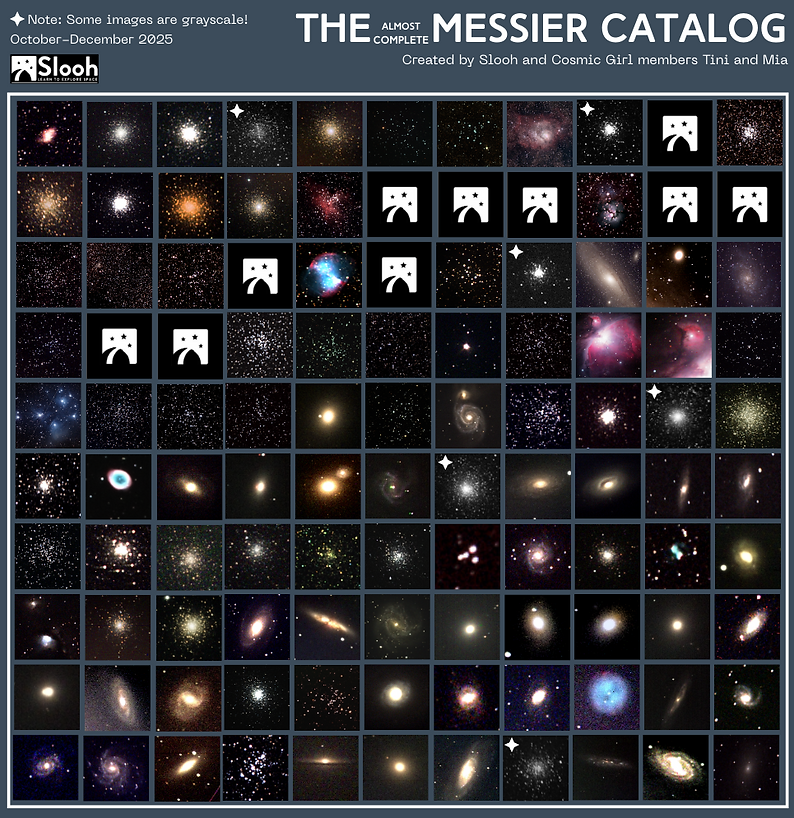
"Since October, fellow Slooh member Tini and I have been preparing a little suprise: an almost complete Messier Catalog, containing 100 out of 110 celestial objects! (Of course, we will complete it when the missing images are visible).
Charles Messier was a French astronomer and comet hunter from the 18th and 19th centuries, nicknamed the “Ferret of Comets” by King Louis XV of France. His mission was to make astronomy easier to understand and comets more distinguishable by delimiting celestial objects. In fact, his catalog listed objects to avoid while stargazing for comets!
Fun fact: lots of objects from his catalog were actually not discovered by Messier himself (only about 64!). Some were already known, while some were added. This catalog is more of a great collaborative example to record the brightest known objects in the Northern Celestial Hemisphere. (There is also a Southern version of this coming up!)"
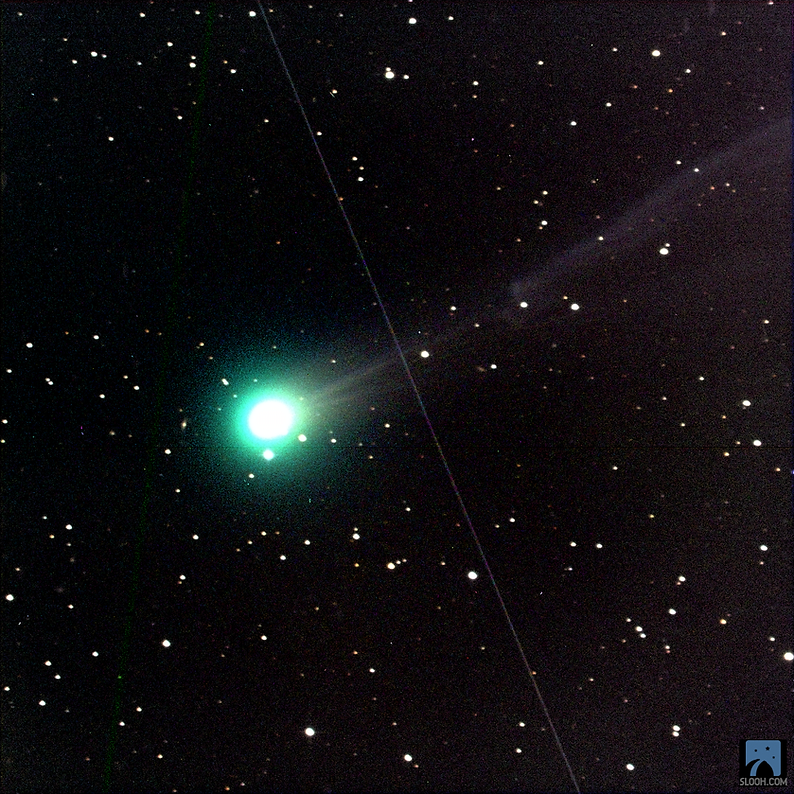
"1,000 More Yers itil The nest time we will see it agen. !!!!!!!!!!!!!!!!!!!!!!!!!!!!!!!!!! First time I've ever seen 1/one!!!!!!!!!!!!!!!!!!!!!!!!!!!!!!!!!!!!!!!!!!!!!!!!!!!!!!!!!"
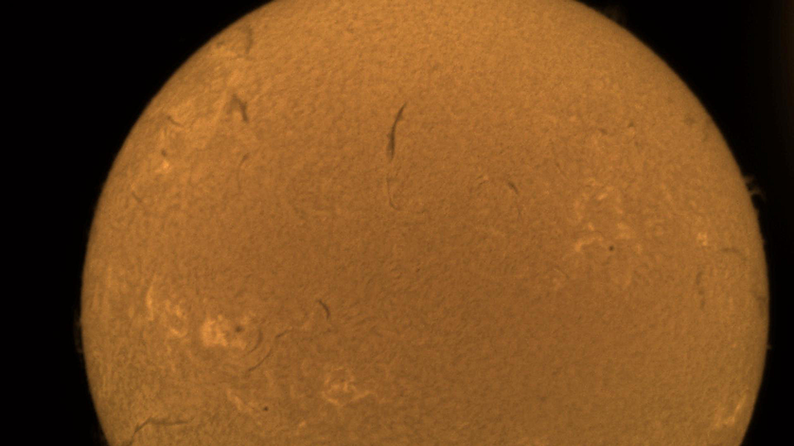
"Oh Sun,
you are so much fun.
I love your heat,
it is so neat.
I love your flare,
but I mustn't stare,
or my eyes won't work no more."
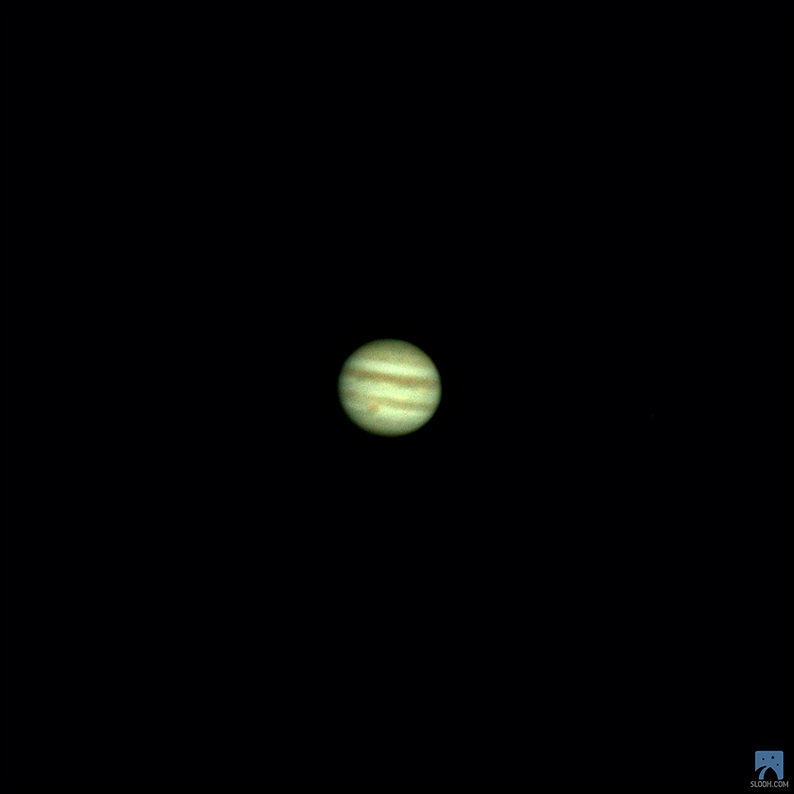
"Opened up the first telescope I saw available and Jupiter popped right up! It's amazing to actually see the details of Jupiter with the telescope instead of just a bright circle in the night sky if it were just my eyes!"
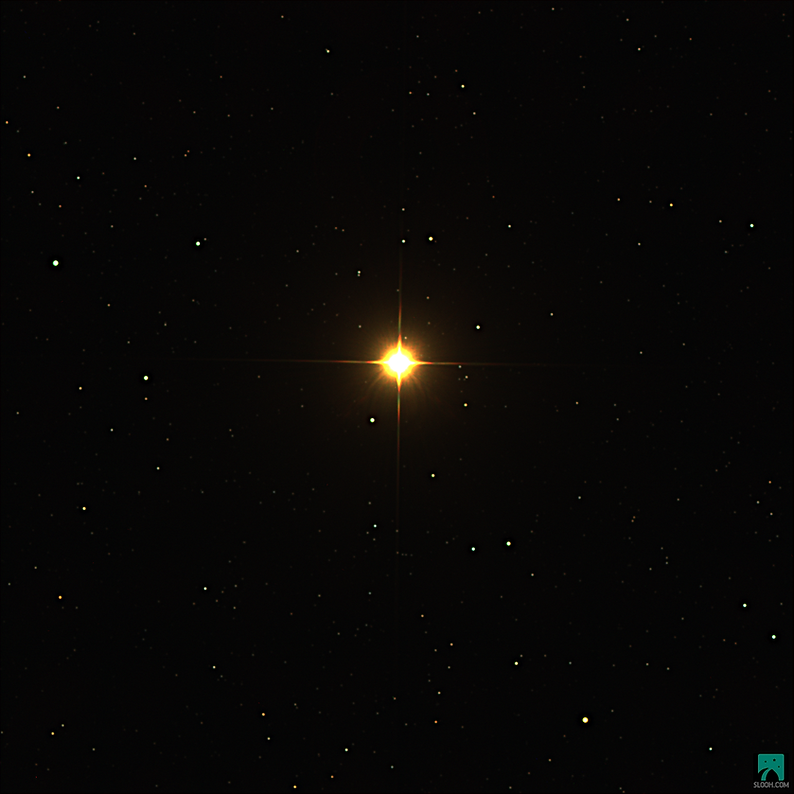
"My plan was to collect (nearly) every celestial object that has been mentioned in The Hitchhikers Guide to the Galaxy by Douglas Adams and post Fun Facts about the object from reality.
And where better to start then the home of Ford Prefect and Zaphod Beeblebrox!
Betelgeuse is a Red Giant in the Constellation Orion. Despite its famous status it's only the second brightest star in Orion after Rigel. It is postulated that Betelgeuse will go Supernova in the next one million years. So, despite some fluctiation in it's brightness, it's "end" is still far away. So far no planet has been descovered orbiting Betelgeuse, none at all.
'"None at all" is exactly how much suspicion the ape-descendant Arthur Dent had that one of his closest friends was not descended from an ape, but was in fact from a small planet in the vicinity of Betelgeuse and not from Guildford as he usually claimed' [The Hitchhikers Guide to the Galaxy-Douglas Adams, 1979]"