A Valentine to Women in Science, The Pale Blue Dot & Each Other!

Updated: Jan 29
Living in a world that often feels overwhelming and intense, February offers us a reminder of what binds us together. This month, we honor the power of connection, celebrating the brilliance of women who have illuminated our understanding of the cosmos on International Women in Science Day, reflecting on our shared home as we mark The Pale Blue Dot Day, and embracing the universal language of love on Valentine's Day.
As we welcome the Lunar New Year, the Year of the Horse, we're reminded that across cultures and continents, we all look up at the same sky. In times of division and uncertainty, astronomy reminds us of an essential truth: we are united in our shared humanity on this Pale Blue Dot. Take a moment of pause this month and look up, as we always encourage you to do.
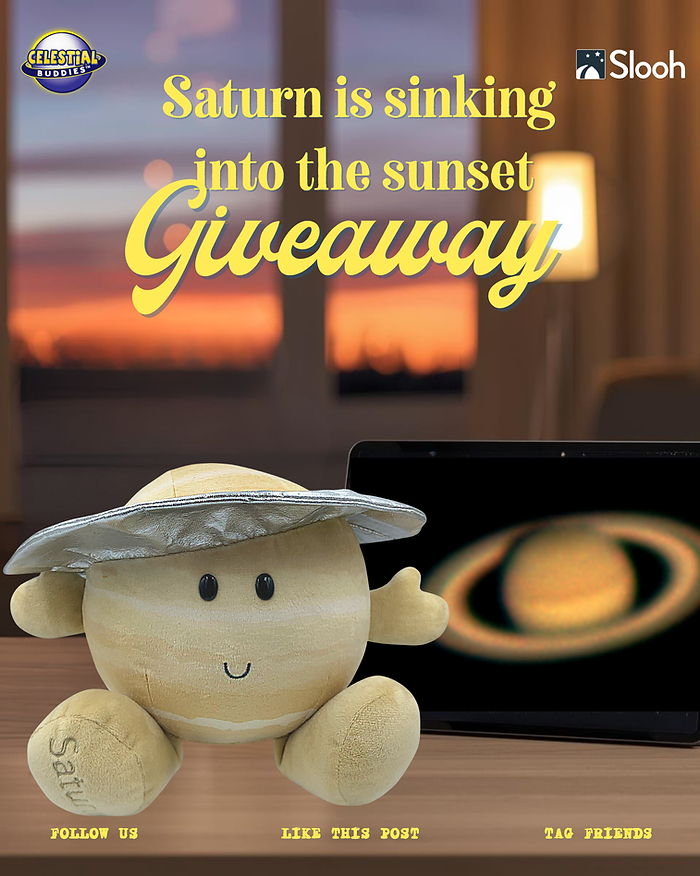
We sadly say goodbye to Saturn and Neptune through the Slooh telescopes this month, but they will be back in the Spring! For now, enjoy Jupiter and its moons, Mercury and Mars! And it's not too late to enter our "Saturn is Sinking into the Sunset" giveaway, with our wonderful partners at Celestial Buddies, for a free Slooh membership and a Saturn Celestial Buddies plush toy!
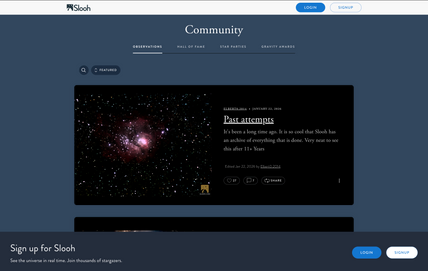
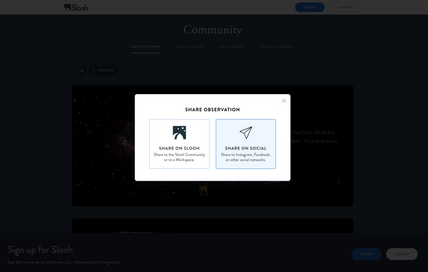
Also, say hello to a new community page that lives outside the paywall! You can now promote your Slooh profiles and observations off the Slooh platform and onto any social media or with family and friends via text or email.
__________________________________________________________________________________
Pale Blue Dot Day
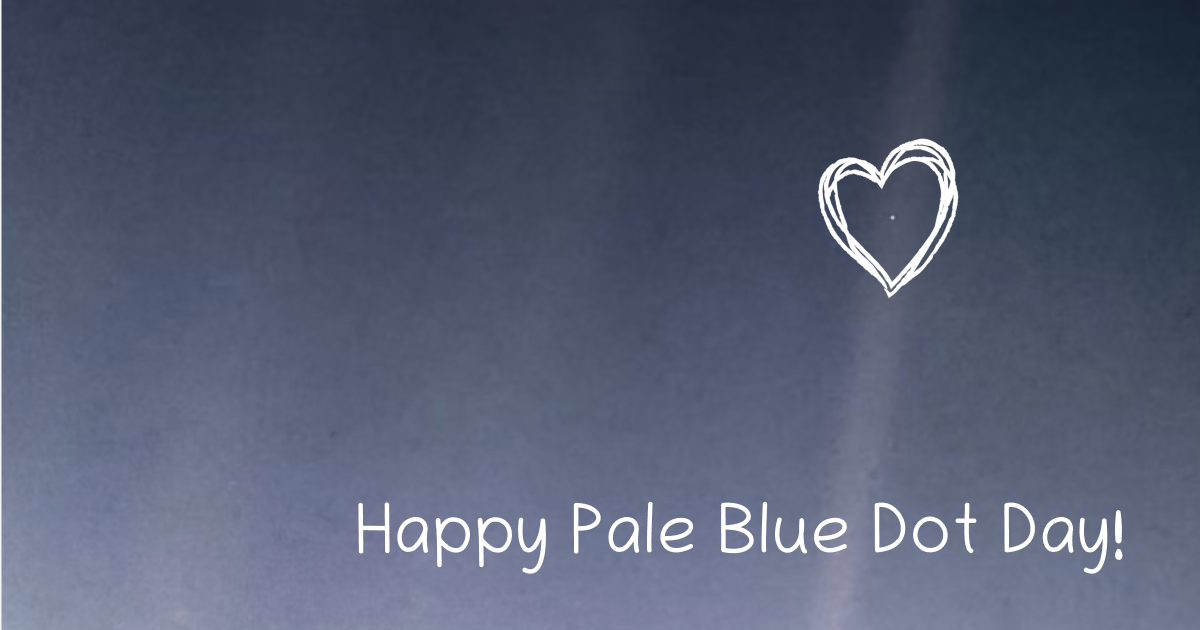
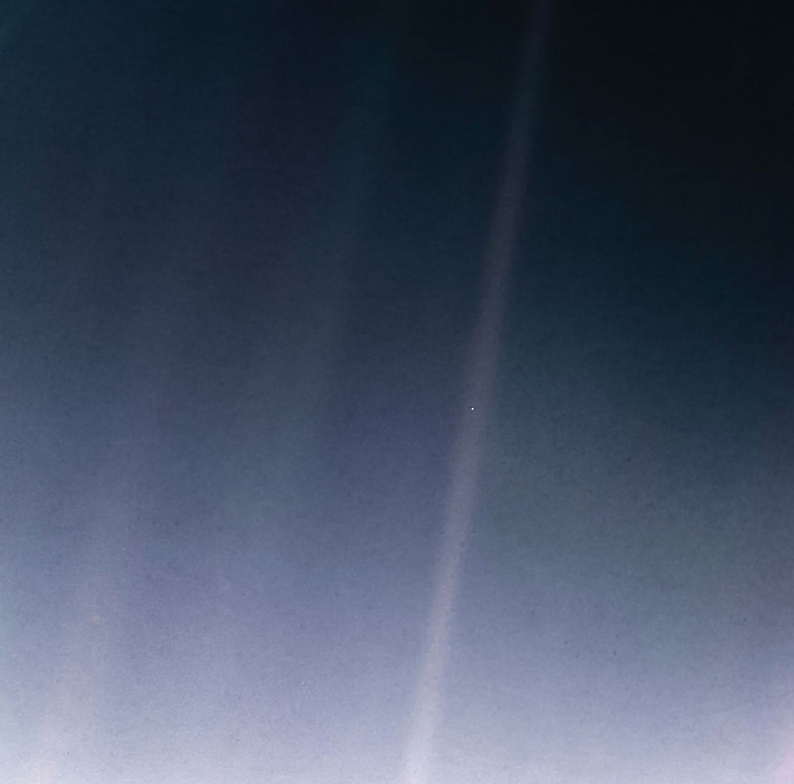
Pale Blue Dot Day, located on the same day of Valentines Day, commemorates the iconic photograph of Earth captured on February 14, 1990, by the Voyager 1 space probe. As Voyager 1 was traveling through the vastness of space, it turned its camera back toward our planet and took a distant photo that would come to symbolize the fragility of Earth. The renowned astronomer Carl Sagan coined the term "The Pale Blue Dot" to describe this image, emphasizing how small and alone our planet appears in the vastness of the cosmos. Sagan's reflections on this photograph remind us of our shared home and the importance of taking care of our world and each other.
__________________________________________________________________________________
Introducing the Gravity Guild: Honoring the Next Generation of Space Explorers
I am thrilled to announce the launch of a program I've been excited about for months: Gravity Guild.
As President of Slooh, I get to see thousands of students using our telescopes every day.
And while it's incredible to watch the Gravity Points accumulate, and the observations roll in, what really stands out to me are the students who go beyond just using the platform - they build community, help others, create amazing content, and genuinely lead.
These are the students who don't just capture beautiful images of the Andromeda Galaxy - they write thoughtful explanations that help others understand what they're seeing. They answer questions from newer users. They get their entire astronomy class excited about Slooh. They're natural leaders.
So we created Gravity Guild, a new program of the Gravity Awards, to recognize and empower these students.
What is the Gravity Guild?
Gravity Guild members are exceptional Slooh users who receive:
- Early access to new features and telescopes
- A voice in shaping our new Gravity Awards competition
- Featured content across our channels
- A community of like-minded space enthusiasts
- Direct access to me and the Slooh leadership team
In return, they create and share their observations with the world and represent what's best about our community.
The inaugural cohort is coming soon....stay tuned!
Clear skies,
Dr. Emma
_________________________________________________________________________________
Your February Skywatching Guide
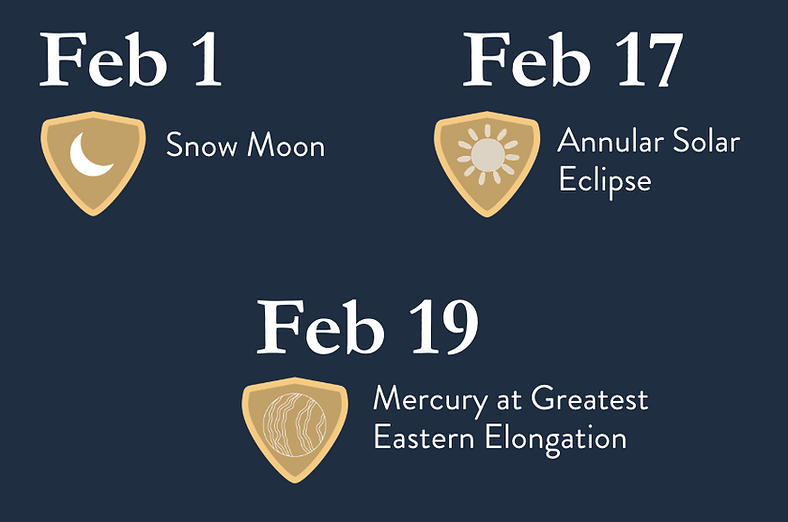
February 1 — Snow Moon (Full Moon)
February’s Full Moon rises as the Snow Moon, named for winter’s deepest snows. It’s a beautiful reminder that even in the coldest season, the night sky shines at its brightest.
February 17 — Annular Solar Eclipse
A rare annular solar eclipse sweeps across parts of the world, creating the stunning “ring of fire” effect as the Moon passes in front of the Sun without fully covering it.
February 19 — Mercury at Greatest Eastern Elongation
Mercury reaches its greatest eastern elongation, making this one of the best evening opportunities of the year to spot the elusive planet just after sunset.
Honorable Mentions
Moon & Star/Planet Close Passes (Feb 1–24)
During February, the Moon makes various close approaches that are exciting to observe:
- Feb 1: Moon near the Beehive Cluster (Cancer)
- Feb 3: Moon very close to Regulus in Leo
- Feb 7: Moon near Spica in Virgo
- Feb 11: Moon near Antares (Scorpius)
- Feb 18–23: Moon near Mercury, Saturn, Neptune, and Uranus on successive nights — good targets with binoculars/telescope
- Feb 24: Moon passes by the Pleiades star cluster — a classic winter sight
Late February — Planetary Gathering
- Around Feb 28, six planets — Mercury, Venus, Saturn, Jupiter, Uranus, and Neptune — will appear in the evening sky roughly in the same region (a “planet parade”).
- Four of these (Mercury, Venus, Saturn, Jupiter) are bright enough for naked-eye spotting after sunset.
__________________________________________________________________________________
🌹February Quest Guide🌌🔭

February’s skies bring bright planets, changing seasons, and the promise of spring (or fall) just ahead. Here are some Quests that help students make the most of February’s night sky and Earth-focused explorations.
🌕 Under the Snow Moon: February begins with the Snow Moon 2026 Quest, where students explore the history and meaning behind February’s full moon and capture it themselves on February 1, 2026. To be ready for this event, start scheduling missions on January 26, 2026.
🪱 Signs of Spring Ahead: In the Worm Moon 2026 Quest, students look forward to March’s full moon while learning why this Moon is associated with the coming of spring. By scheduling missions starting on February 28, 2026, students prepare to capture the Worm Moon on March 3, 2026.
🌀 Weather Beyond Earth: The Weather on Jupiter (Grades K–1) Quest introduces young learners to the largest planet in our Solar System. Students capture images of Jupiter and compare its extreme weather—like powerful storms and swirling clouds—to weather patterns here on Earth.
🌊 Engineering Earth from Space: In the Dam Detectives Quest, students use Sentinel-2 satellite imagery to investigate some of the world’s largest dams. Along the way, they learn how hydroelectric power works, explore the benefits and challenges of dam construction, and examine how large-scale engineering projects impact both people and the environment.
🛰️ Exploring Europa’s Ocean World: The Europa Clipper Mission Quest takes students to Jupiter and its Galilean moons as they learn about NASA’s upcoming mission to study Europa. By capturing images of Jupiter and its moons, students connect real telescope observations to one of the most exciting planetary missions of the decade.
These Quests offer a great mix of lunar events, planetary science, and Earth exploration as students continue their journey through the winter sky and beyond.
Spotlight

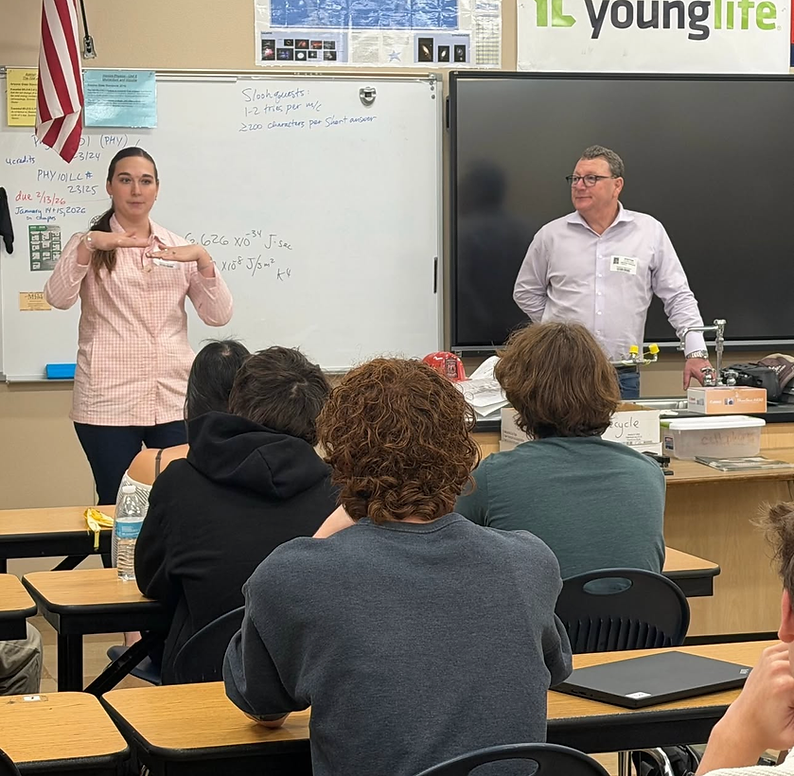
Our spotlight this month shines on the students in Steve Millam's high school astronomy class in Scottsdale, AZ.
The Slooh team had an amazing opportunity last month to visit this class and speak to some of the students about their work on Slooh. The students even got to check out the Slooh airstream and take home some new Slooh merch.
We are so grateful for educators like Steve, who has really gone above and beyond for his students to share his passion and love for astronomy with them.

Featured Slooh 1000

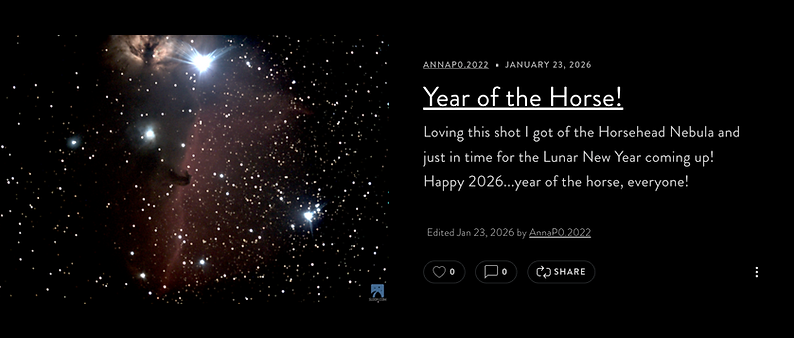
The Horsehead Nebula (Barnard 33)
A dark, dusty cloud of interstellar material famed for its resemblance to a horse, the Horsehead Nebula sits just beneath Alnitak, the easternmost star of Orion's Belt, and is silhouetted by the red emission nebula IC 434. It will someday produce new stars.
Did you know it's the year of the horse? February 17th marks the Lunar New Year and the official beginning of the year of the horse! Be sure to capture and share the Horsehead Nebula in honor of 2026!
__________________________________________________________________________________
Not yet a Slooh member? Learn more about our monthly memberships and sign up at slooh.com!