Mysteries of the Universe
.png)
EDITOR'S NOTE
This post was written by Mia Leplat, a member of Slooh's Gravity Guild — a select group of student ambassadors from around the world who are passionate about astronomy and space exploration. Guild members use Slooh's robotic telescopes to observe, learn, and share their discoveries with the broader community. We're thrilled to share Mia's story.
By Mia Leplat, Spring 2026 Gravity Guild Member
When we think about astronomy, the first things we usually visualize are stars, planets, comets, galaxies, nebulae and other celestial objects. But what I think astronomy truly is, is the science of mystery. Because there is so much more to discover when we do not limit ourselves to our planet's atmosphere. In fact, the cosmos never ceases to fill the endless list of questions that flow in our brains, and by doing this, blows the minds of every human being that has ever looked upon the sky with curiosity and a thirst for knowledge. And I think this mysterious facet is what has drawn me to the subject the most.
Something else that we realize when we gaze at the night sky is how little we know. And, even though our knowledge is growing, thanks to emerging technologies that allow us to get new data, it sometimes seems like we will never understand everything. For every mystery solved, new queries arise. But would it not be boring if there were not anything else to discover?
Today, technology is slowly but strongly progressing. One day, we may even travel to other planets and explore beyond our solar system! The Artemis missions will bring humans back on the surface of the Moon, touching our celestial neighbour for the first time in 50 years. Telescopes are improving too. For the optical ones, the mirrors are getting bigger and bigger. For example, ESO's (European Southern Observatory) ELT (Extremely Large Telescope) should be operational by 2029, and its main mirror the biggest we have ever created (39 meters). Overall, this enhanced technology could help us make more astonishing discoveries of the mysterious Universe we live in.
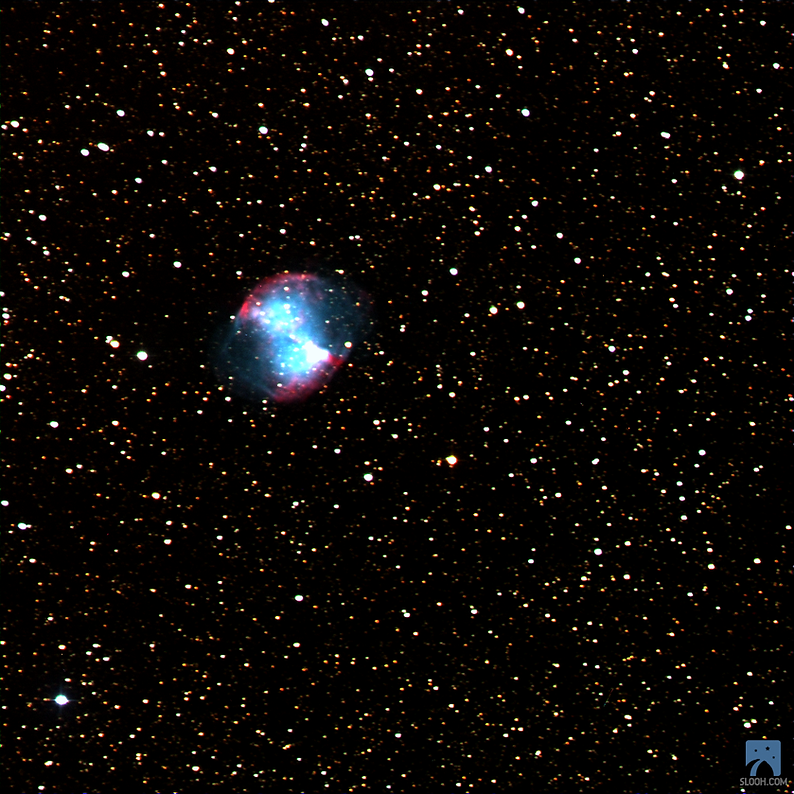
Moreover, astronomy is getting much more accessible. Because of light pollution, our beautiful night sky is not as visible as it used to be. In particular, people living in polluted, urban areas do not get the chance to observe its uncountable amount of stars and be amazed at its beauty and mystery. Slooh is an example of how accessible it can become: despite the invisible stars in a polluted city, these are observable through robotic telescopes around the world. And accessibility truly helps making progress in science.
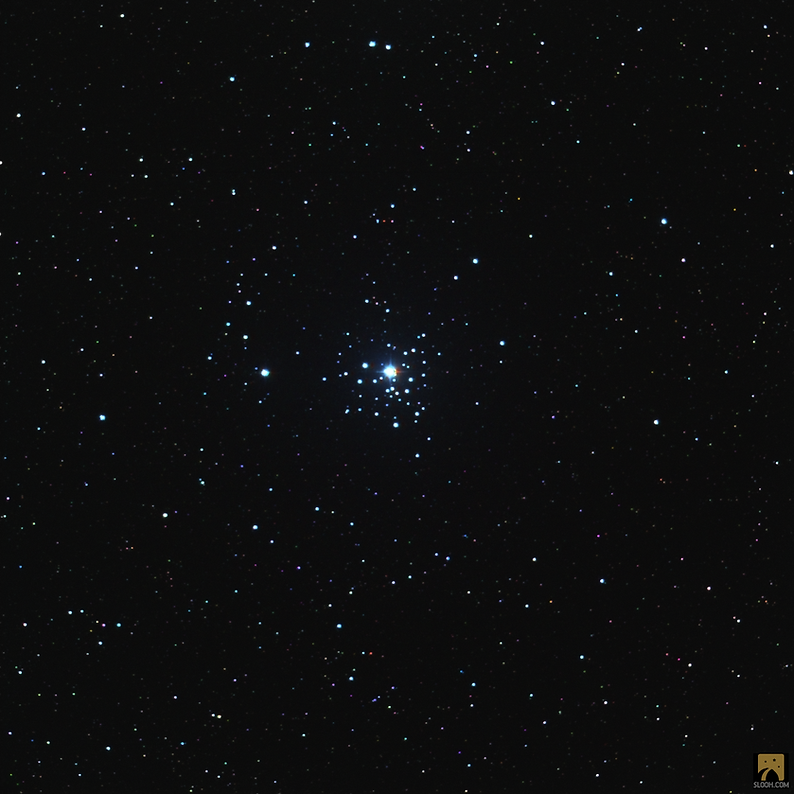
Civilizations have looked at the cosmos for centuries, intertwining it with their beliefs and culture. But sadly, today, people are losing this precious curiosity of understanding our Universe, rarely shift their gaze at the night sky and forget the calmness of a starry night. Perhaps this is because of light pollution, or simply a loss in interest. But let's never stop staring at the stars and wondering how the Universe will surprise us.